
Everybody has habits, and there’s nothing wrong with them. Some are really valuable — possibly you spread out your garments for work the prior night or consequently turn off the lights when you leave a room. Yet, different bad habits, like biting your nails, drinking soda past the point of no return, or hitting a nap too often, probably won’t be so helpful. Ending unhealthy habits can be hard to break, particularly in the event that you’ve been participating in them for quite a while. However, learning how to break bad habits, in any case, can facilitate the cycle.
1 . Triggers: Understanding Your Habit Loop to Break Bad Habits

Keep in mind, habit cues are the initial phase in habitual behavior. Recognizing the triggers behind your routine practices is the initial step in moving past an unwanted habit. Follow your daily life patterns to identify when an old habit occurs, the uncomfortable feelings that accompany it, and the impulse shopping or other automatic reactions it triggers.
Put in a couple of days following your Habit to see whether it follows any examples.
Note things like:
- Where does the routine conduct occur?
- What season of the day?
- How would you feel when it occurs?
- Are others included?
- Does it happen just after something different?
Suppose you need to quit keeping awake past 12 PM. Following a couple of long periods of following your conduct, you understand you will in general remain up later in the event that you begin sitting in front of the TV or visiting with companions after supper. In any case, you head to sleep prior to the event that you read or go for a stroll.
You choose to quit sitting in front of the TV and mood killer your telephone by 9 p.m. on weeknights. Eliminating the trigger — staring at the TV or conversing with companions — makes it harder to do the everyday practice of remaining up past the point of no return.
2. Focus on Why You Want to Change – Motivation for Changing Habits
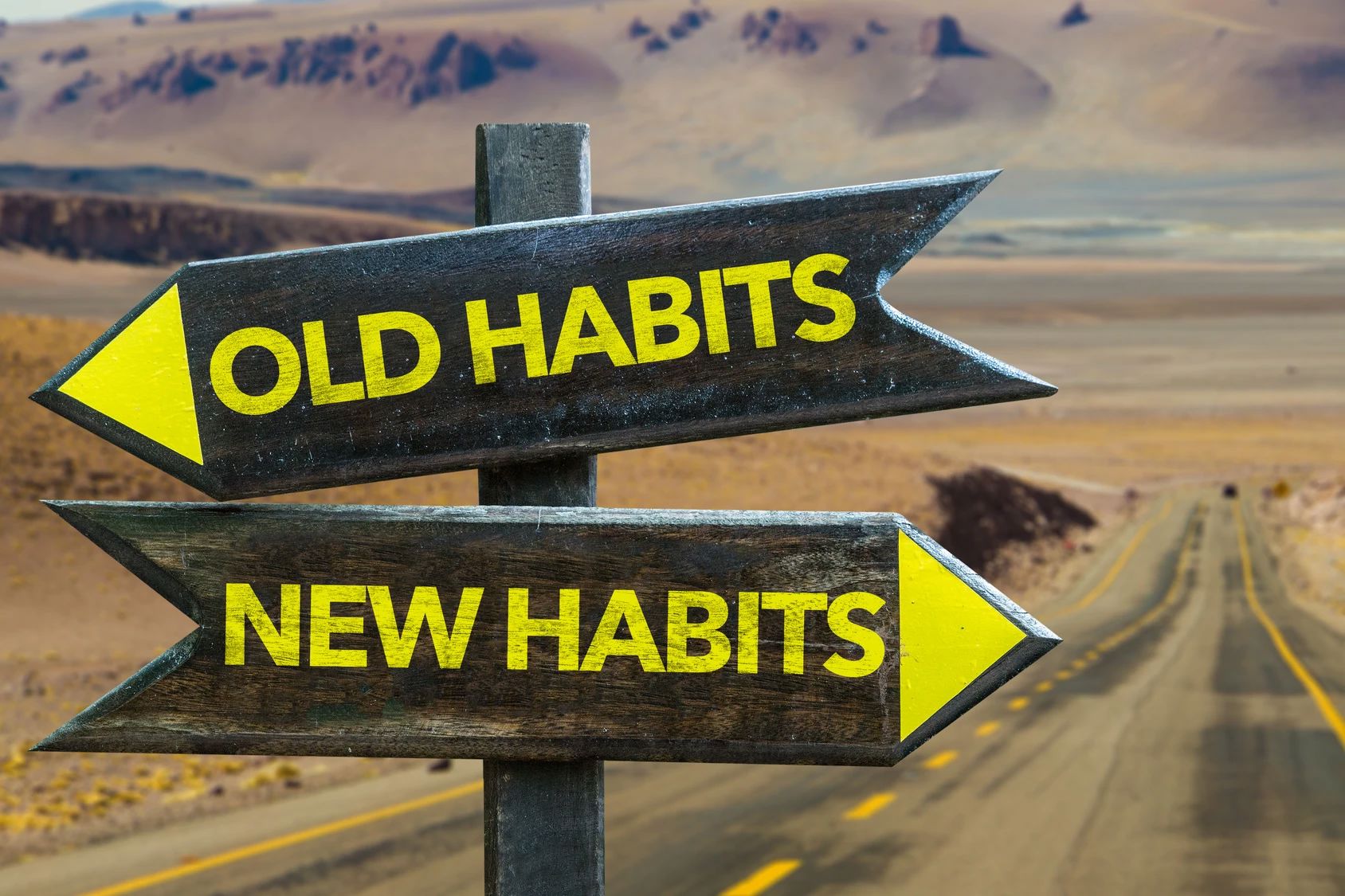
Motivation is key. Reflect on why you want to replace negative thinking or a negative effect of a current unhealthy behavior. Setting incremental goals helps transform old patterns into new behavior that benefits mental health and well-being.
Require a couple of moments to consider why you need to bring an end to the Habit and any advantages you see coming about because of the change. Posting these reasons may help you think about not many that hadn’t happened to you yet.
For added inspiration, record your reasons on a piece of paper and keep it on your ice chest, washroom reflect, or somewhere else where you’ll see it consistently.
Seeing the rundown can keep the change you’re attempting to make new in your psyche. On the off chance that you do end up falling once more into the Habit, your rundown reminds you why you need to continue to attempt.
3. Reason for Quitting
Regardless of whether you supplant an “awful” Habit with a superior one, once in a while the first bad habit will have a more grounded natural “reward” than its substitute, Berkman says.
Sometimes an old behavior feels rewarding, even when you want to quit smoking or stop watching TV late. Understanding the negative effects of many bad habits form help you choose a positive behavior. A mental health professional or healthcare provider can offer support for trouble breaking these deeply ingrained routines.
Mentally, we realize that stopping smoking is useful for our wellbeing, and restricting the number of burgers we eat may assist us with shedding pounds.
Yet, establishing Habit changes in explicit and individual reasons—quitting any pretense of smoking for great may mean going through more years with your family or eating better may give you more energy for those outside experiences you used to appreciate—gives a more grounded portion of inspiration
4. Set Better Goals

Goal setting transforms conscious thought into actionable steps. Research shows that habits develop easier when new habits replace an unwanted behavior with new routine patterns.
Inspecting how you’ve reacted to the circumstance before and figuring out how you can deal with maintain a strategic distance from the treats, later on, maybe everything necessary to bring an end to the Habit, says Poldrack. This may mean just not strolling by the rack of desserts itself.
“It’s continually going to be simpler to respond dependent on something you’ve effectively arranged out in the past as opposed to attempting to think of another arrangement on the fly,” Poldrack says.
In addition, contemplating how precisely you will accomplish something encourages you build up the outlook that you can accomplish something, he notes. Furthermore, that is a large portion of the fight.
5. Friends Supports
In the event that you and a companion or accomplice both need to get out from under an undesirable Habit, attempt to do it together.

A best friend or partner can help you break a bad habit. Encouragement and accountability reinforce positive behavior, making lasting change feel possible.
Make it a highlight to cheer each other’s triumphs and support each other through mishaps.
A companion can in any case offer help regardless of whether they don’t have any Habits they need to change. Consider enlightening a believed companion regarding the Habit you’re attempting to break.
They can energize you in the midst of uncertainty and delicately help you to remember your objective in the event that they notice you slipping once more into old Habits.
6. Practice Mindfulness

Mindfulness can assist you with creating mindfulness around your musings, sentiments, and activities. This training includes just noticing driving forces that identify with your Habit without passing judgment on them or responding to them.
Mindfulness improves self compassion, allowing you to notice uncomfortable feelings without judgment. This preserves mental energy and prevents feeling overwhelming stress ball when trying to break one bad habit.
Rehearsing care can likewise help you notice ways your Habit influences your day-by-day life. As you begin to perceive these impacts, you may feel more headed to deal with changing the Habit.
7. Replace The Habit With A Different One
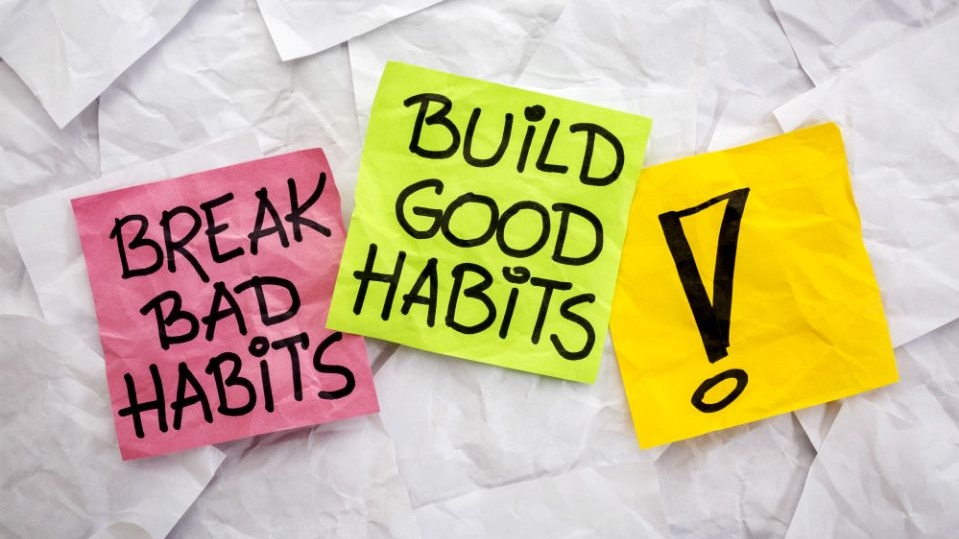
Trade bad habits for alternatives. For example, swap junk food with fruit, or replace drinking soda with water. Other habits, like exercise, can substitute for social media scrolling, helping you redirect habitual behavior.
Let’s assume you need to quit going after sweets when you’re eager to grind away. On the off chance that you essentially attempt to evade the treats dish, you may fall once again into the Habit when you can’t avoid hunger.
Be that as it may, getting a Tupperware of dried foods grown from the ground to keep at your work area gives you another nibble choice.
As you rehash the new conduct, the motivation to follow the new standard creates. In the long run, after you see awards from the new Habit — more energy and to a lesser extent a sugar crash — the inclination to continue to do this conduct may exceed the craving to seek after the old Habit.
Supplanting hurtful Habits, for example, substance abuse, with more sure ones can have a lot of advantages. Be that as it may, it’s imperative to recollect “great” Habits, like exercise, can, in any case, get extreme. Indeed “solid” eating can have negative impacts when taken to limits.
8. Leave Yourself Reminders
Visual cues like sticky notes or phone alerts can break the habit loop. Small reminders support changing habits in daily life, making breaking habits a more easy task.
Here are a couple of thoughts:
- Need to get out from under the Habit of drinking a soft drink with each feast? Give leaving little stickers a shot in your cooler that you’ll see when you go to go after a can.
- Attempting to make sure to kill lights when you leave a room? Leave a note for yourself on the light switch or entryway.
- Need to begin keeping your keys in an assigned spot so you quit losing them as often as possible? Leave a dish for your keys in any case you’ll see it when you get back.
You can likewise utilize a cell phone for updates. Set your caution and add a propelling note to yourself, for example, “An ideal opportunity to kill the TV! :)” or “After-supper walk — recollect how great it feels!”
9. Prepare For Slipups

A slip up is normal. Reflect, learn, and practice self-compassion to manage negative thinking and unwanted behavior.
“It’s not difficult to slip once again into old examples, especially when the new ones aren’t hardened at this point,” said Erika Myers, LPC. “Change is hard. Keep in mind, it required a long time to develop those Habits, so you will not lose them in a day.”
Attempt to intellectually plan for slipups so you will not feel remorseful or debilitate in the event that you do. Perhaps you focus on writing down three list items about how you felt as you were doing the Habit, or do a brisk breathing activity.
Attempt to gain from your slipups. Be straightforward with yourself about what prompted the difficulty, and consider whether changing your methodology may help you stay more on target.
10. Let Go Of The All-Or-Nothing Mindset

Tolerating you’ll presumably goof a couple of times when attempting to split a Habit and concocting an arrangement is a certain something. Forestalling sensations of dissatisfaction and disappointment when you do goof is another story. Accepting one habit slip is normal. Avoid thinking that a mistake ruins life. Positive behavior grows from incremental goals, not perfection.
In the event that you fall once more into an old Habit, you may ponder, “Can I truly do this?” You may start to question yourself and feel slanted to surrender.
Myers suggests taking a gander at your victories all things being equal. Possibly you’re attempting to stop smoking and you prevail for 3 days straight. On the fourth day, you have a cigarette and spend the remainder of the late evening feeling like a disappointment.
“Having a cigarette in the wake of going a couple of days without smoking doesn’t remove those previous days,” said Myers. Keep in mind, you can settle on an alternate decision tomorrow.
“You’re searching for development a specific way as opposed flawlessly,” Myers added. “Rather than zeroing in on your ultimate objective, think about this: Anything you do that is a greater amount of what you need is acceptable.”
11. Start Small

Incremental goals over a few weeks allow habit formation to occur. Starting with a few minutes of new routine each day makes lasting change feel possible.
This can here and there work. On the off chance that the Habits go together, you may think that its simpler to address them simultaneously. For instance, in the event that you need to quit smoking and drinking, and you generally do those two things together, stopping both immediately may bode well.
In any case, specialists for the most part suggest beginning little. Mean to transform each Habit in turn. Tending to Habits in advances can likewise help, regardless of whether these means appear to be excessively little or effectively sensible at the outset.
Recalling the soft drink with-each the supper, you could begin by not drinking a soft drink with supper for seven days. At that point, knock it up to not having it with supper or lunch the following week.
12. Change Your Environment

Adjust your surroundings to remove habit cues for other bad habits like impulse shopping, watching TV, or eating junk food. Changing your environment makes old patterns easier to break.
Possibly you’re attempting to bring an end to the Habit for continually requesting takeout since it’s costing you a lot of cash. However, every time you go into the kitchen, you see the to-go menus holding tight your cooler. You could have a go at supplanting the menu with printouts of simple plans you realize you’ll appreciate.
Different models include:
- Leaving a diary, book, or pastime things (sketchbooks, artworks, or games) on your end table to urge you to get them as opposed to looking through online media.
- Going through 10 or 15 minutes cleaning up your home each night to urge you to keep things mess-free.
- Switching up your morning stroll to work so you don’t pass the bistro with the enticing, overrated latte.
Remember that individuals you encircle yourself with are additionally essential for your current circumstance. Consider taking a break from investing energy with the individuals who add to your Habit or don’t uphold your cycle of breaking one.
13. Visualize Yourself Breaking The Habit
Ending Habits doesn’t need to be an altogether active, actual interaction. You can rehearse new substitution Habits intellectually, as well.
Envision yourself in a setting off climate or circumstance, for example, the morning before your exhibition survey. How might you normally respond? You may see yourself restlessly gnawing your nails or drumming your pen against your work area.
How is it possible that you would respond to all things considered? Imagine yourself rehearsing profound breathing, strolling to get a beverage of water, figuring out old notes or documents, or cleaning work area drawers — anything that keeps your hands occupied and helps quiet you.
Rehearsing an alternate reaction in your psyche can help it become more recognizable when you face the circumstance truly.
14. Practice Self-Care
Numerous individuals think that it’s simpler to make positive changes in life when they start from a position of health.
In case you’re as of now managing different difficulties, for example, work pressure, relationship inconveniences, or medical conditions, attempting to get out from under a Habit can prompt more misery than the real Habit.
When getting out from under a Habit, it’s particularly critical to focus on your own wellbeing. This lifts your odds of progress as well as encourages you to continue to work notwithstanding difficulties.
Attempt these self-care tips:
- Set aside a few minutes for soothing rest.
- Eat normal, nutritious dinners.
- See your medical care supplier for any drawn-out concerns.
- Mean to be truly dynamic most days.
- Take in any event a brief period every day for side interests, unwinding, or different things that improve your state of mind
15. Give It Time

There’s a typical legend that it requires 21 days to represent the moment of truth a Habit. However, where does that figure come from?
It’s possible from an examination including individuals who had a plastic medical procedure. The greater part of them acclimated to their changed appearance within 3 weeks. That is really unique in relation to effectively attempt to end and imbued Habit.
All things considered, specialists trust it requires around 10 weeks (2 to 3 months) or more to break an undesirable occurs. Obviously, a few Habits may set aside pretty much effort to break.
The measure of time it takes to end a Habit relies upon a few things, as per Myers.
These include:
- How long you’ve had the Habit
- The enthusiastic, physical, or social necessities the Habit satisfies
- Regardless of whether you have the backing or help to bring an end to the Habit
- The physical or enthusiastic prize the Habit gives
In the event that half a month has passed, and you believe you haven’t gained a lot of headway, it can assist with returning to your methodology. Yet, you may likewise think about looking for help from emotional wellness proficient, particularly for Habits that are all the more profoundly instilled in your conduct or cause you a great deal of misery
16. Know That You Don’t Have To Do It Alone
You may have achievement getting out from under certain Habits, for example, purchasing lunch each day or skirting the exercise center, all alone, with a touch of exertion and commitment.
Be that as it may, if you need to address further Habits, like emotional eating, impulses, alcohol abuse, or addiction, the help of a trained mental health expert can improve things significantly.
Working through these issues alone can be extreme, and an advisor or advocate can offer direction and backing.
Emotional well-being proficient can help you:
- Distinguish transforms you need to make
- Investigate anything hindering you from change
- Recognize your inspirations for change
- Get viewpoint on your advancement
- Figure out how to counter and adapt to negative self-talk
“The responsibility of meeting with somebody consistently can likewise give a structure that bolsters the progressions you’ve made,” Myers closed.
It probably won’t seem like it at the time, yet over the long run, your new Habits will get set up in your day-by-day life. Before sufficiently long, they may even feel as normal as your old Habits.
17. Get Motivated
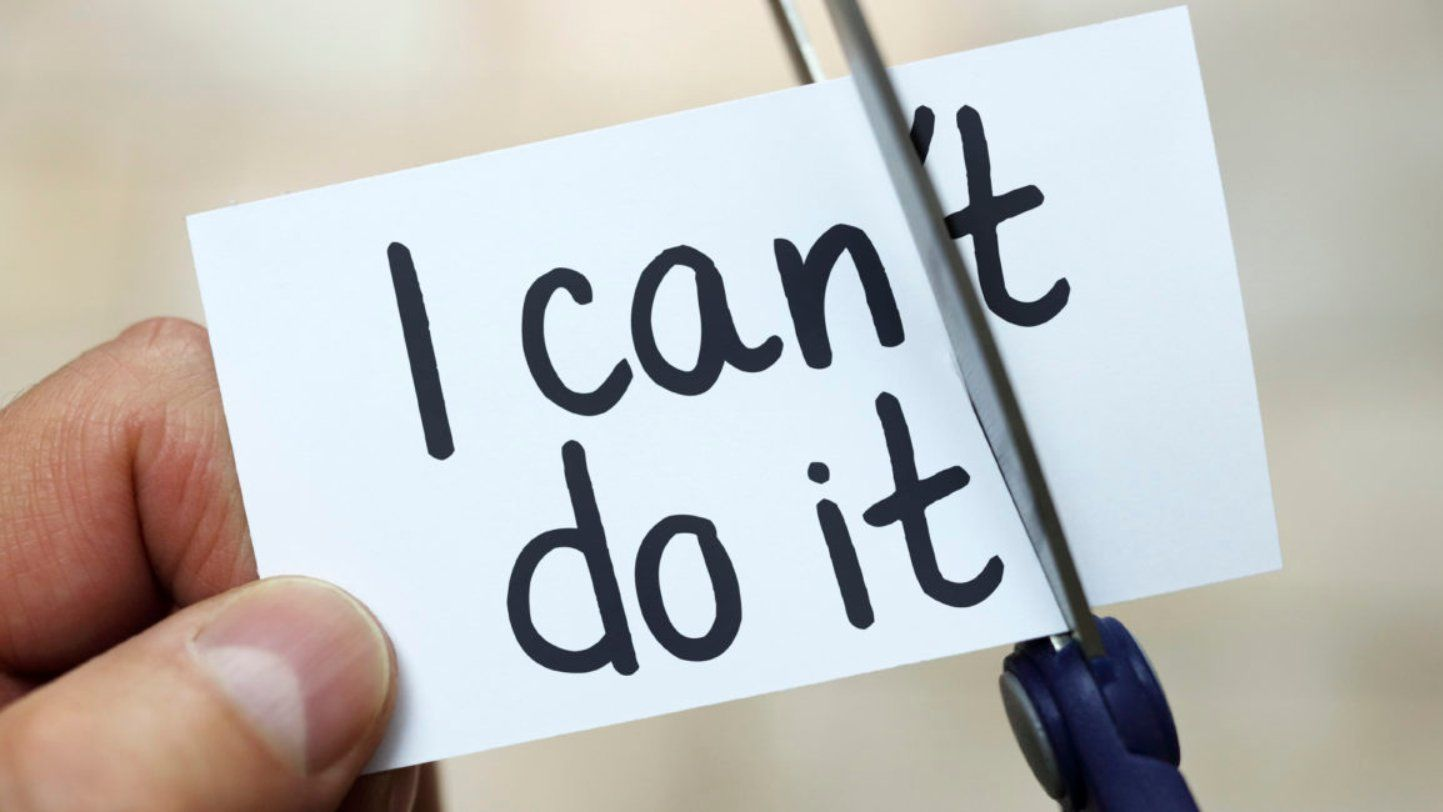
To effectively bring an end to a habit, it’s critical to distinguish why you need to change. Record your reasons. What are the potential gains of evolving? What are the drawbacks of proceeding with the conduct? Keep this rundown with you in the event that you need to take a gander at it for inspiration.
18. Reward Yourself – Reinforce Good Habits

Tackle the force of uplifting feedback to expand on your benefits. In the wake of rolling out little improvements towards getting out from under your Habit, reward yourself! Utilize the cash, time, or energy you’ve saved from quitting your unfortunate Habit to purchase or accomplish something pleasant for yourself. These standard ‘rewards’ will rouse you to keep at it.
19. Develop A Substitute Plan

Replacing old behavior with new behavior prevents unwanted habits like drinking soda, scrolling on social media, or impulse shopping from returning. Incremental goals are a powerful tool.
The key here is mapping this out before that triggers have a chance to kick in.
20. Fine Yourself For Each Mistake
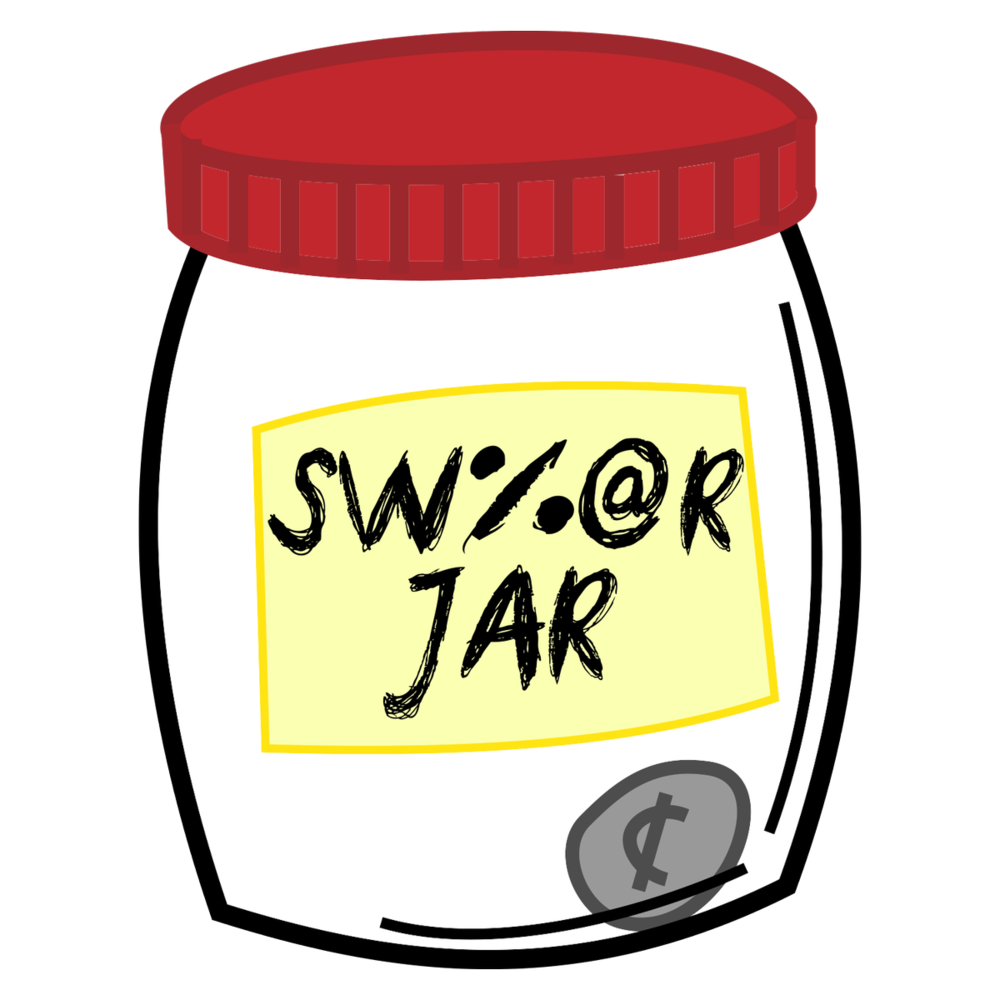
Make a negative behavior pattern somewhat more difficult and you may dump it for great. Cash is an extraordinary helper, so you can utilize the “swear jar” technique or pay your friends $1 each time they discover you doing that thing you need to quit doing. It works the alternate way as well: Reward yourself for beating your propensity consistently.

More Posts
Best ChatGPT Prompts for Boosting Productivity
## **Introduction** Using ChatGPT effectively can greatly enhance your productivity. Incorporating ChatGPT into your daily routines can lead to better organization and improved productivity. Whether you need help with brainstorming, organizing tasks, or...
Achieve your goals through time management
Time management is one of the most effective skills, and it significantly influences your professional and personal life. We all know that time is one of the most scarce and valuable resources, which...
10 Insightful Questions for an Effective Time Management Questionnaire
A good time management survey is a great way to look at how people plan their day. It can help us see how folks handle daily tasks and use tools to save time....
Weekly Digest for Effective People #4
April 23 to April 29